Jonas Schmitz · 5 September 2026
Strategies for Scaling Niche Product Curation in Digital Retail Ecosystems
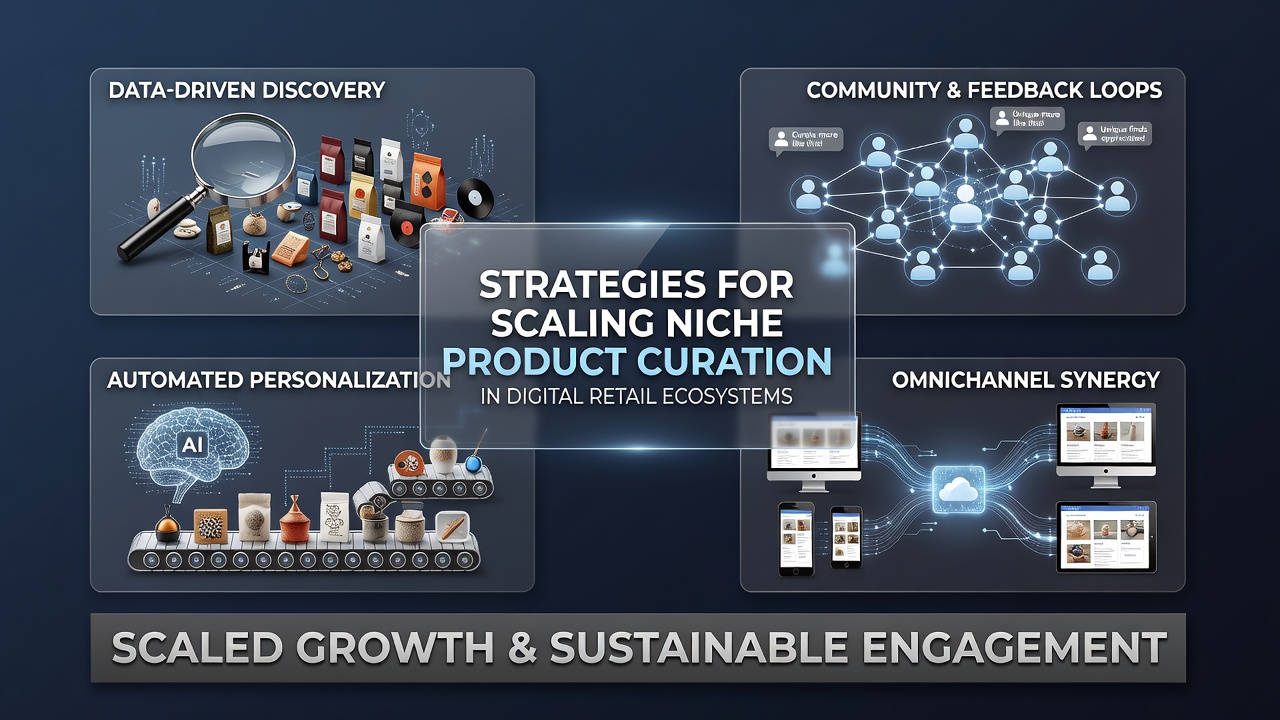
Digital retail ecosystems have expanded rapidly since the early 2020s, and niche product curation now plays a central role in how platforms differentiate themselves from mass-market competitors. Researchers at several universities have documented that targeted curation increases conversion rates when algorithms match specific consumer preferences with limited-run or specialized items. Data from the US Census Bureau shows e-commerce sales in specialty categories grew steadily through 2025, creating pressure on retailers to scale selection processes without diluting brand identity. Observers note that successful operators combine automated filtering tools with human oversight to maintain quality while expanding catalog size.
Data Analytics as Foundation
Analytics platforms collect behavioral signals from browsing patterns, purchase history, and search queries, then feed those inputs into recommendation engines that surface niche items at the right moment in the customer journey. Studies conducted across multiple retail networks indicate that segmentation by demographic and psychographic factors allows curators to prioritize inventory that resonates with smaller but higher-value audiences. When teams integrate real-time inventory data with predictive demand models, they reduce overstock situations that often plague niche categories. Those who have implemented layered analytics systems report improved accuracy in forecasting which limited-edition products will sell through quickly.
Technology Integration for Growth
Artificial intelligence and machine learning models handle initial screening of supplier submissions, flagging products that align with existing category themes before human reviewers examine details such as material sourcing and quality certifications. As of September 2026 several major platforms have rolled out updated APIs that let smaller brands upload product data directly into curation queues, shortening the time from submission to live listing. External tools for image recognition and natural language processing further automate the tagging process, freeing staff to focus on strategic decisions rather than repetitive classification tasks. Platforms that combine these technologies with supplier relationship management software maintain tighter control over authenticity claims that matter to niche buyers.

Supplier Partnerships and Inventory Scaling
Retailers build direct relationships with artisans, small manufacturers, and regional producers to secure consistent supply of distinctive goods. Trade organizations in the European Union have published guidelines that help platforms verify ethical production standards across borders, reducing risk when expanding into new geographic sourcing regions. Inventory scaling becomes feasible once automated reorder triggers are tied to both sales velocity and supplier lead times. One study revealed that networks using shared forecasting data with suppliers cut stockouts in niche categories by measurable margins compared with those relying on internal estimates alone.
Customer Feedback Loops
Review aggregation systems and post-purchase surveys provide continuous input that refines curation criteria over successive seasons. When platforms surface these insights back to suppliers, product iterations tend to align more closely with emerging demand signals. Research indicates that incorporating user-generated content into product pages strengthens perceived authenticity, which in turn supports higher average order values within specialized segments. Teams that close the loop between feedback analysis and assortment adjustments maintain relevance even as consumer tastes shift.
Measurement and Optimization
Key performance indicators for scaled curation include not only sales volume but also repeat purchase rates, return percentages, and engagement metrics such as time spent on category pages. Industry reports from sources like the National Retail Federation highlight that balanced scorecards prevent overemphasis on any single metric that could distort long-term strategy. A/B testing of curation rules across different audience cohorts helps identify which variables drive the strongest results in each niche. Continuous optimization cycles, supported by dashboard visualizations updated daily, allow teams to adjust parameters before seasonal trends peak.
Conclusion
Scaling niche product curation within digital retail ecosystems relies on coordinated use of analytics, technology, supplier coordination, and feedback mechanisms. Evidence from multiple regions shows that platforms achieving measurable growth maintain disciplined processes while remaining responsive to data. Those who track performance across several indicators position themselves to sustain expansion without compromising the specialized appeal that attracts core customers.