Noah Weber · 3 October 2026
Exploring Dynamic Pricing Mechanisms in Niche Digital Retail Platforms During Economic Shifts
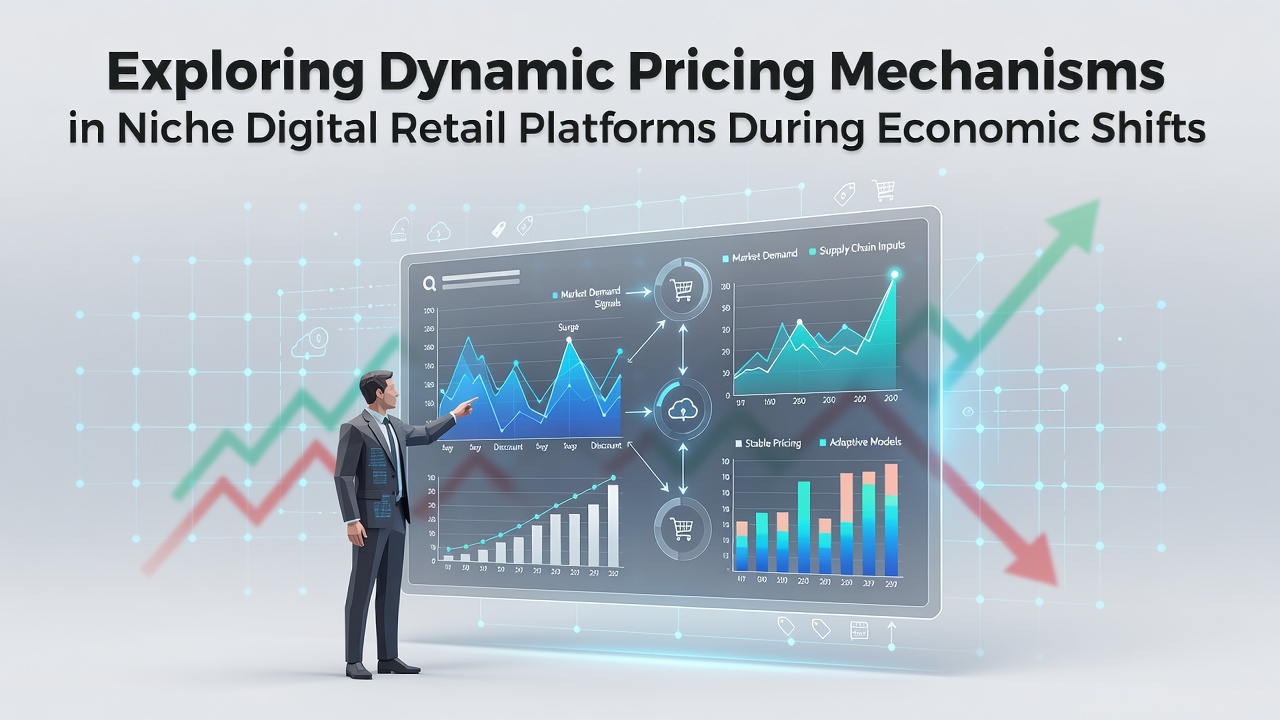
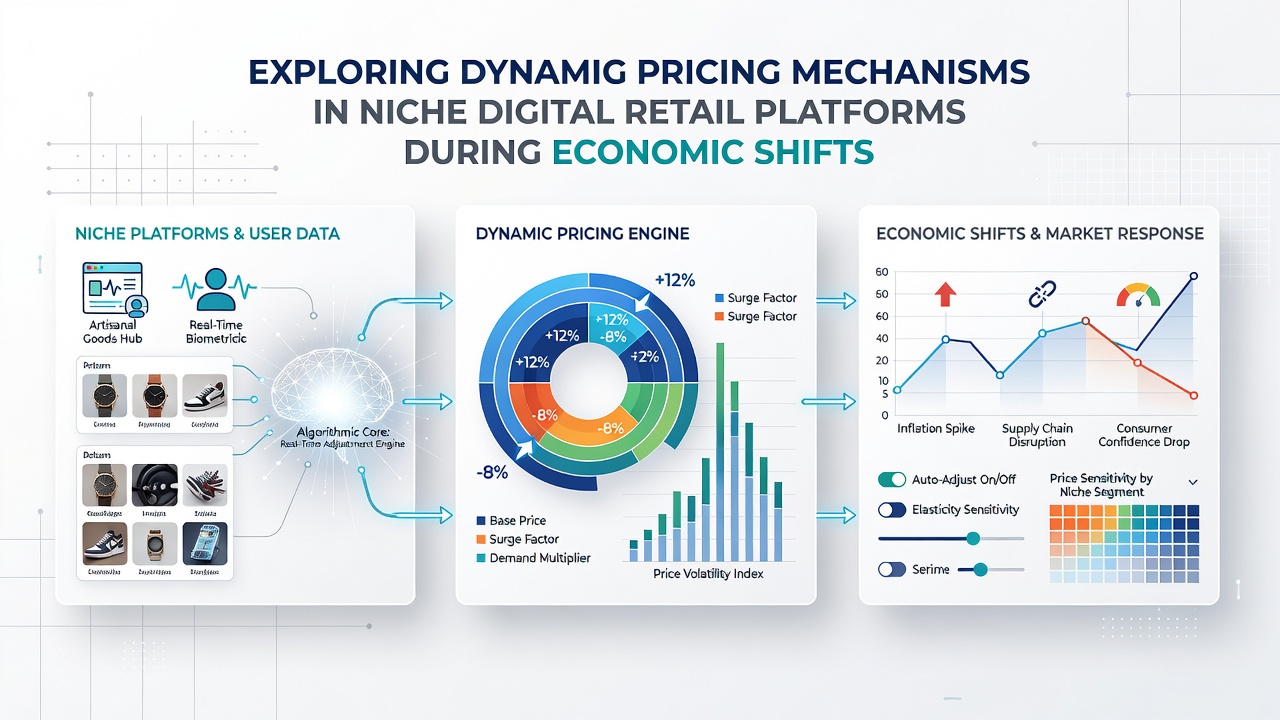
Dynamic pricing mechanisms in niche digital retail platforms adjust product costs based on real-time variables including demand signals, competitor activity, and broader economic indicators, and these systems have gained traction as specialized online storefronts navigate periods of inflation, supply chain disruptions, and shifting consumer spending patterns observed through 2026.
How Algorithms Respond to Economic Indicators
Retail platforms focused on categories such as specialty hobby supplies, artisanal food products, and collectible merchandise deploy machine learning models that ingest data streams from multiple sources, and these models recalibrate prices at intervals ranging from minutes to hours during volatile periods, whereas traditional fixed pricing models remain static regardless of external pressures. Researchers at institutions tracking retail technology adoption note that platforms handling limited-run inventory items often integrate unemployment rates, currency fluctuations, and sector-specific inflation metrics into their decision trees, which allows smaller operators to maintain margins when broader markets contract.
Data from the US Bureau of Labor Statistics released in mid-2026 shows retail price volatility increased 18 percent year-over-year in specialized consumer goods categories, and niche platforms using automated pricing responded by raising or lowering listed amounts within tighter bands than mass-market sites, which helps preserve stock turnover without triggering widespread customer backlash.
Implementation Patterns Across Specialized Marketplaces
Platforms serving narrow audiences such as vintage electronics enthusiasts or organic textile buyers typically layer dynamic pricing atop existing inventory management software, and the integration occurs through APIs that pull live sales velocity alongside macroeconomic feeds from sources including central bank releases. Observers tracking these systems report that operators in regions experiencing currency devaluation, such as parts of the EU and Canada, adjust cross-border listings more frequently than domestic ones, since exchange rate movements directly influence perceived value for international buyers.
One documented case involved a Canadian platform specializing in winter sports gear that modified its pricing engine in October 2026 to account for early-season demand spikes combined with elevated transportation costs, resulting in targeted increases on imported items while domestic stock remained closer to baseline levels. Studies from academic teams at universities in Australia and the United States indicate that such segmented adjustments correlate with steadier revenue streams compared with uniform pricing across all SKUs.
Consumer Response and Platform Adaptations
Shoppers on niche sites frequently encounter price changes that reflect both immediate scarcity and longer-term economic signals, and transparent communication about these adjustments appears in checkout summaries or FAQ sections on many platforms. Figures from industry reports compiled by the OECD show that consumer acceptance rises when platforms provide context for changes, such as linking a price shift to raw material cost increases rather than leaving the adjustment unexplained.
Platforms have introduced tiered loyalty structures that lock in pricing for repeat buyers during certain windows, and this approach mitigates churn even when base rates fluctuate. Evidence collected across multiple marketplaces suggests that buyers in hobby and collectibles segments demonstrate higher tolerance for variability than those purchasing everyday essentials, provided the overall selection remains distinctive and hard to source elsewhere.
Regulatory and Technical Considerations in 2026
Authorities in several jurisdictions have begun examining how automated pricing intersects with consumer protection statutes, and guidance issued by the Australian Competition and Consumer Commission in late 2025 continues to influence platform design choices into 2026. Technical teams now incorporate audit logs that record every price change along with the triggering data points, which simplifies compliance reviews when economic conditions trigger rapid adjustments.
Security protocols around the data pipelines feeding these systems have also tightened, since economic indicators and sales metrics represent sensitive inputs that competitors might seek to replicate. Operators report allocating additional resources to encryption and access controls, particularly when platforms expand into new geographic markets where data residency rules differ.
Conclusion
Dynamic pricing tools continue to evolve within niche digital retail environments as economic conditions shift, and the combination of granular data inputs with targeted adjustment rules enables specialized platforms to sustain operations across fluctuating demand cycles. Continued monitoring by regulatory bodies and research organizations provides ongoing benchmarks that shape future refinements to these mechanisms.